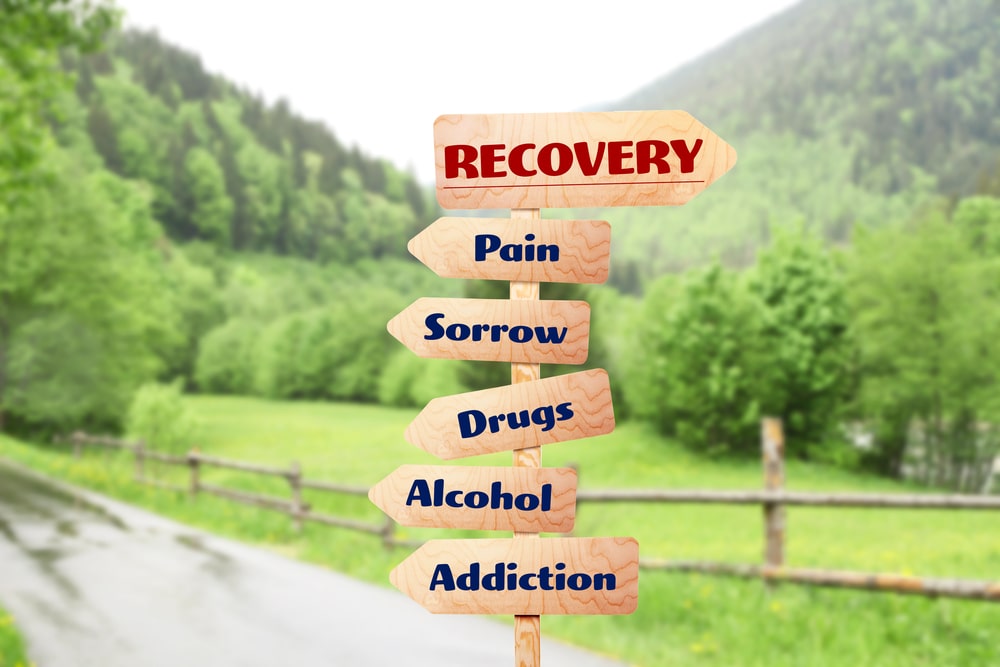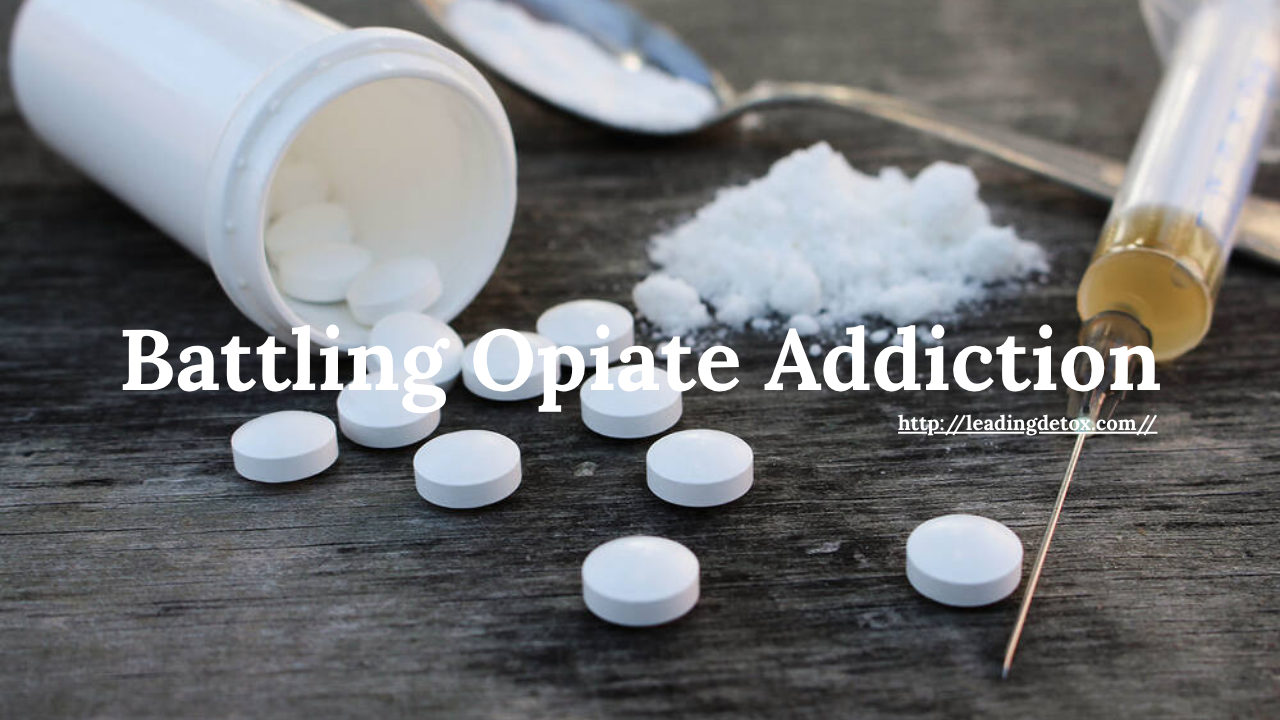
Opiate addiction is a growing crisis that affects individuals, families, and communities across the globe. From prescription painkillers to heroin and synthetic opioids like fentanyl, the grip of opiate dependence can be both physically devastating and emotionally overwhelming. One of the most critical steps toward healing is detoxification—the process of clearing the body of addictive substances. However, detox can be dangerous if not properly managed. That’s why medically supervised detox is essential for a safe and effective start to opiate recovery.
The Dangers of Unsupervised Detox
Opiate withdrawal is not only uncomfortable but can also be medically risky. Symptoms often include severe anxiety, nausea, vomiting, muscle pain, insomnia, diarrhea, and intense cravings. In extreme cases, complications such as dehydration, seizures, or heart irregularities can occur.
Attempting to detox without medical supervision increases the likelihood of relapse, as many individuals return to drug use simply to avoid the agony of withdrawal. This cycle can lead to overdose, especially after a brief period of abstinence when tolerance levels drop.
What is Medically Supervised Detox?
Medically supervised detox is a structured, clinical approach to managing withdrawal symptoms under the care of healthcare professionals. Typically conducted in hospitals, detox centers, or residential treatment facilities, this method ensures safety, comfort, and access to round-the-clock support.
Key components include:
- Medical Monitoring: Vital signs, hydration levels, and overall health are closely observed.
- Medication-Assisted Treatment (MAT): Medications like buprenorphine, methadone, or clonidine may be used to ease symptoms and reduce cravings.
- Psychological Support: Mental health professionals provide counseling, emotional support, and coping strategies.
- Customized Care Plans: Treatment is tailored to the individual’s health status, addiction history, and recovery goals.
Benefits of Medically Supervised Detox
- Safety: Continuous monitoring helps prevent and quickly respond to medical emergencies.
- Comfort: Proper use of medications can significantly reduce withdrawal discomfort.
- Higher Retention Rates: A more manageable detox experience increases the likelihood of continuing treatment.
- Smooth Transition: Patients can seamlessly move from detox into longer-term rehabilitation programs.
- Emotional Support: Addressing anxiety, fear, and guilt early improves mental readiness for recovery.
A Critical First Step
While detox alone is not a cure for opiate addiction, it is the essential first step. Without clearing the body of substances and stabilizing the individual, long-term recovery becomes far more difficult. Medically supervised detox sets the tone for the journey ahead—it demonstrates that recovery is possible and that no one has to go through it alone.
Final Thoughts
Choosing medically supervised detox is a decision rooted in self-care and safety. It ensures that individuals receive the support they need during one of the most vulnerable stages of recovery. For anyone battling opiate addiction, seeking professional detox services can be the first safe step toward a healthier, addiction-free life. The road to recovery begins with courage—and the right care.