Author: contributor

Beyond Withdrawal: How Supervised Detox Sets the Foundation for Long-Term Opiate Recovery

Opiate addiction is a challenging and complex condition that affects millions of individuals and their families. For those seeking recovery, the detoxification process can feel overwhelming. Withdrawal symptoms are intense and the fear of discomfort often prevents people from taking the first step. At Leading Detox, we believe that supervised detox is more than just a necessary step to manage withdrawal. It is a crucial foundation for long-term recovery, providing safety, support, and a structured beginning to a healthier life.

Understanding the Importance of Supervised Detox

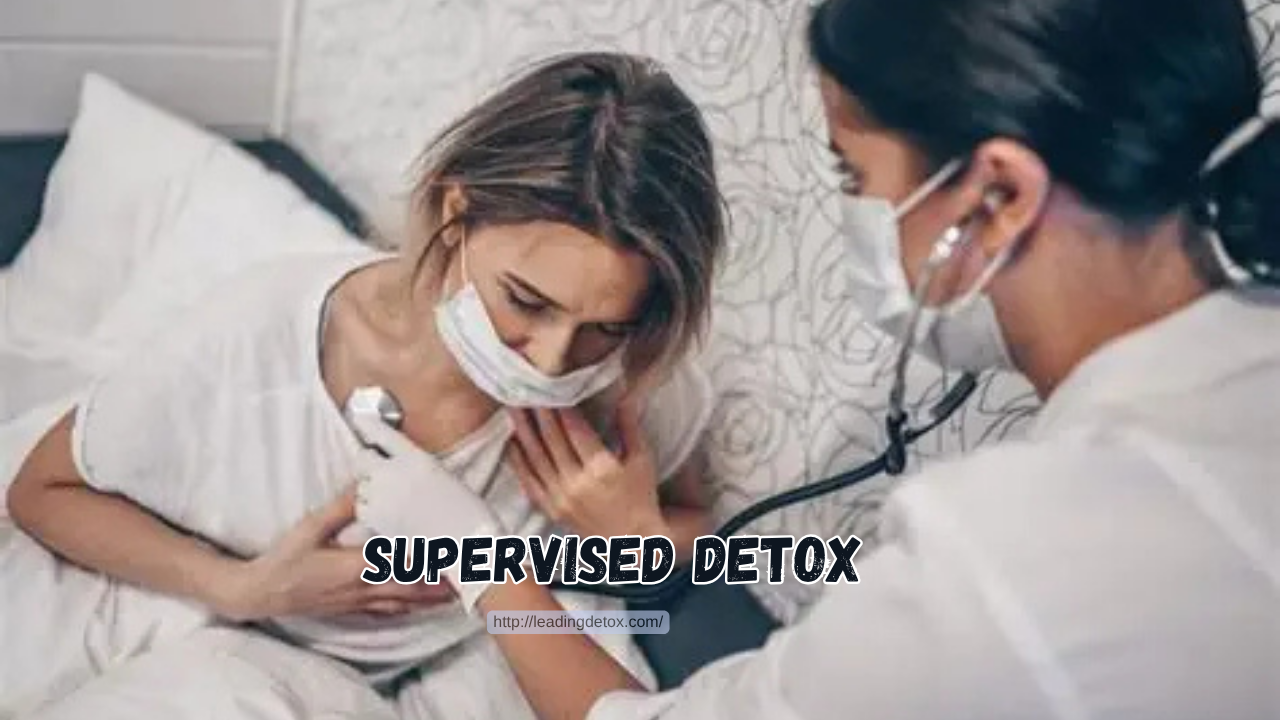
Opiates alter brain chemistry and create physical dependence. When the substance is removed, the body reacts with symptoms such as nausea, muscle pain, insomnia, anxiety, and intense cravings. These symptoms can be severe and potentially dangerous if not managed properly. Supervised detox ensures that patients are monitored closely, reducing the risk of complications and providing immediate medical support when needed.

Medical Monitoring and Safety

Supervised detox provides continuous medical monitoring. At Leading Detox, trained professionals track vital signs, assess physical and mental health, and respond quickly to emergencies. This ensures that patients are safe and reassured throughout the withdrawal process, allowing them to focus on recovery rather than fear of the unknown.

Medication-Assisted Treatment

Medication-assisted treatment (MAT) is a key component of supervised detox. Medications such as buprenorphine or methadone can ease withdrawal symptoms and minimize cravings. This support makes the detox process more manageable, increases retention, and reduces the likelihood of relapse. MAT provides a bridge to recovery by stabilizing the body and creating a sense of control for the patient.

Emotional and Mental Health Support

Detox is not solely a physical process. Withdrawal often triggers emotional and psychological challenges such as anxiety, depression, and stress. Leading Detox integrates mental health care and counseling into the detox process. Patients receive guidance and support that helps them navigate these emotions, laying the groundwork for emotional resilience and long-term recovery.

Building a Strong Foundation for Recovery

Supervised detox is the first step in a continuum of care. Beyond managing withdrawal, it prepares patients for ongoing treatment such as inpatient or outpatient programs. This structured transition ensures that individuals can continue addressing the underlying causes of addiction, learn coping strategies, and develop a supportive network for sustained sobriety.

Holistic and Individualized Care

At Leading Detox, every detox plan is personalized. We combine medical care with holistic therapies, nutritional guidance, wellness activities, and optional faith-based services. This integrative approach addresses the body, mind, and spirit, reinforcing a comprehensive foundation for long-term recovery.

Moving Beyond Detox

Successful recovery begins with a safe and structured detox experience. Supervised detox provides patients with the tools, support, and confidence to continue on the path to sobriety. It transforms the initial challenge of withdrawal into an opportunity to build a stronger, healthier life.

Take the Next Step Today

If you or a loved one is struggling with opiate addiction, supervised detox can be the life-changing first step. At Leading Detox, we provide compassionate, professional, and individualized care to guide you from withdrawal to long-term recovery. Contact us today and begin your journey toward a healthier future. Recovery is possible, and it starts with taking that first step with support you can trust.

Medical Detox vs. Going Cold Turkey: The Safer Path to Opiate Sobriety

Opiate addiction is a serious medical condition that often leaves individuals and families feeling trapped. For those who want to quit, the question of how to detox safely is critical. Many attempt to stop on their own, often referred to as “going cold turkey.” While this may seem like the simplest option, it can be dangerous and rarely leads to lasting success. At Leading Detox, we believe that medical detox is not only the safer path but also the most effective way to begin the journey to sobriety.

The Dangers of Going Cold Turkey

Opiates create profound physical dependence. When someone suddenly stops using, the body reacts with severe withdrawal symptoms. These include muscle pain, nausea, vomiting, diarrhea, anxiety, insomnia, and intense cravings. Beyond the physical discomfort, the emotional and psychological strain can be overwhelming.

Going cold turkey often leads to relapse because the symptoms are too difficult to manage alone. Relapse after even a short break from opiates can be especially dangerous, as tolerance decreases quickly and increases the risk of overdose.

Why Medical Detox is the Safer Choice

Professional Medical Supervision

Medical detox ensures round-the-clock monitoring by trained healthcare professionals. This reduces the risks associated with withdrawal and provides immediate intervention if complications arise. Patients feel reassured knowing they are not facing the process alone.

Medication-Assisted Treatment (MAT)

One of the most significant advantages of medical detox is the availability of medications that ease withdrawal. Buprenorphine, methadone, or non-opioid medications can reduce cravings and discomfort, making detox more manageable. This support greatly increases the likelihood of completing the process.

Emotional and Mental Health Care

Detox is as much about the mind as it is about the body. Fear, anxiety, and depression often accompany withdrawal. At Leading Detox, patients have access to counseling and therapeutic support that addresses these emotional challenges. By treating the whole person, we prepare individuals for long-term recovery.

Building a Foundation for Sobriety

Detox is not the final destination. It is the first step in recovery. Medical detox provides a structured transition into inpatient or outpatient treatment programs, where patients can work on the root causes of addiction. By moving seamlessly from detox into comprehensive care, individuals have the best chance of achieving lasting sobriety.

A Holistic and Personalized Approach

At Leading Detox, we understand that no two journeys are the same. Our individualized care plans are designed around each patient’s needs, combining evidence-based medical treatment with holistic therapies, nutritional support, and optional faith-based services. This integrative approach strengthens both body and spirit, laying the groundwork for long-term healing.

Choosing the Safer Path

The decision to stop using opiates is courageous, but how you take that step matters. Going cold turkey may seem straightforward, but it often leads back into the cycle of addiction. Medical detox provides safety, comfort, and professional care, giving individuals the best possible chance to succeed.

Take the First Step Today

If you or someone you love is struggling with opiate addiction, you do not have to face withdrawal alone. At Leading Detox, we provide compassionate, professional, and individualized care to help you begin your recovery journey. Contact us today and discover the safer path to lasting sobriety.

The First Step to Freedom: Why Opiate Recovery Starts with Supervised Detox

Detox is the process of clearing opiates from the body. While this step is essential, it can also be physically and emotionally challenging. Withdrawal symptoms such as muscle pain, insomnia, anxiety, nausea, and intense cravings can make it nearly impossible to manage alone. Without supervision, many people relapse quickly, increasing the risk of overdose and further harm.

Supervised detox ensures that individuals are never alone during this process. Medical professionals provide 24/7 monitoring, interventions to ease discomfort, and immediate support if complications arise. This structure not only keeps patients safe but also greatly improves the chances of completing detox successfully.

The Benefits of Professional Support

Medication-Assisted Treatment

One of the most effective ways supervised detox reduces withdrawal distress is through medication-assisted treatment. Carefully prescribed medications can relieve symptoms and minimize cravings, helping patients focus on recovery rather than pain.

Mental Health Care

Opiate withdrawal affects more than the body. Anxiety, depression, and emotional instability are common. At Leading Detox, our programs integrate counseling and therapeutic support, ensuring that mental health is addressed alongside physical detox.

Compassionate Care

Detox is a vulnerable time. Our staff approach each patient with empathy, dignity, and respect. This compassionate environment helps individuals feel supported, reducing fear and encouraging commitment to the recovery process.

A Holistic and Individualized Approach

Every person’s journey through addiction and recovery is unique. That is why Leading Detox emphasizes individualized care plans tailored to each patient’s needs. Our holistic approach may include nutrition support, wellness practices, and faith-based guidance for those who desire spiritual healing. By addressing the whole person—mind, body, and spirit—we create a foundation that promotes lasting recovery.

From Detox to Long-Term Healing

Detox alone is not the finish line. It is the first step toward a larger transformation. Once patients complete supervised detox, we guide them into inpatient or outpatient treatment programs that build on their progress. These programs include therapy, relapse prevention strategies, and life skills that empower individuals to maintain long-term sobriety.

At Leading Detox, we ensure that patients never face the recovery process in isolation. Our continuum of care supports individuals through every stage, from withdrawal to sustained healing.

Take the First Step Today

Freedom from opiate addiction begins with one courageous decision: starting detox under professional supervision. By choosing supervised detox, you are choosing safety, comfort, and a clear path toward recovery. At Leading Detox, we are ready to walk beside you with expert care and compassionate guidance.

If you or a loved one is ready to break free from addiction, reach out to us today. The first step may feel daunting, but with supervised detox, it becomes the beginning of a hopeful and lasting recovery.

Opiate Withdrawal Without Fear: How Medical Detox Eases the Pain

For many individuals struggling with opiate addiction, the thought of withdrawal can feel overwhelming. The physical pain, emotional strain, and fear of relapse often discourage people from seeking help. However, medical detox provides a safe and supportive pathway through this difficult stage. At Leading Detox, we specialize in guiding individuals through withdrawal with compassionate care, professional oversight, and holistic healing practices that make recovery both possible and sustainable.

Understanding Opiate Withdrawal

When someone stops using opiates, the body reacts to the absence of the substance it has become dependent on. This process, known as withdrawal, can include symptoms such as muscle aches, sweating, insomnia, nausea, anxiety, and intense cravings. Although withdrawal is rarely life-threatening, it can feel unbearable, making it one of the biggest barriers to recovery.

Medical detox is designed to ease this process by providing structured, supervised care. It transforms a frightening experience into a manageable and hopeful first step.

The Role of Medical Detox in Easing Withdrawal

24/7 Medical Supervision

Detox under medical care ensures constant monitoring. Trained professionals can respond quickly to complications and adjust treatments to keep patients safe and stable throughout the withdrawal process.

Medication-Assisted Support

Certain medications, when carefully prescribed, reduce the severity of withdrawal symptoms and minimize cravings. This support helps individuals stay focused on recovery rather than being overwhelmed by discomfort.

Emotional and Mental Health Care

Withdrawal often stirs up anxiety, depression, and other emotional challenges. At Leading Detox, mental health support is integrated into the detox process. Counseling, therapy, and compassionate guidance help individuals process these feelings in a safe and supportive environment.

A Holistic and Individualized Approach

Every journey through recovery is unique. That is why Leading Detox emphasizes a holistic and personalized approach. Our programs include nutritional support, wellness practices, and faith-based services for those who seek spiritual guidance. By treating the whole person—body, mind, and spirit—we help patients find balance and strength during this vulnerable stage.

Individualized care plans ensure that each person’s specific needs are met. This flexibility increases comfort during detox and builds a strong foundation for long-term recovery.

From Withdrawal to Recovery

Detox is only the beginning of recovery. Once withdrawal symptoms are managed, patients at Leading Detox transition into inpatient or outpatient treatment programs. These programs provide therapy, skill-building, and relapse prevention strategies that support ongoing healing. By combining detox with long-term care, we help individuals not just survive withdrawal but thrive in recovery.

Choosing Hope Over Fear

Opiate withdrawal does not have to be faced with fear or uncertainty. Medical detox provides the safety, structure, and compassionate care needed to make the process manageable and effective. At Leading Detox, we are committed to helping individuals move through withdrawal with dignity, comfort, and hope.

If you or a loved one is ready to take the first step toward recovery, reach out today. With professional guidance and holistic support, you can face withdrawal without fear and begin a new chapter of life free from addiction.

Medically Managed Recovery: Navigating Opiate Detox with Professional Help

Opiate addiction is a difficult and often overwhelming challenge, not only because of the physical toll but also because of the emotional and psychological burden it carries. For those ready to take the first step toward freedom, detoxification is an essential starting point. Yet going through withdrawal alone can be dangerous and discouraging. Medically managed recovery offers the professional guidance and support that makes detox safer, more comfortable, and more effective. At Leading Detox, we provide compassionate, personalized care to help individuals navigate the complexities of opiate withdrawal with confidence.

Why Medical Management Matters in Opiate Detox

Detox from opiates triggers a range of withdrawal symptoms that can include nausea, chills, muscle aches, insomnia, and severe cravings. While these symptoms are rarely life-threatening, they can feel unbearable, often leading people back to substance use. The danger is especially high after a relapse, when tolerance has dropped, increasing the risk of overdose.

Medical management ensures that withdrawal is carefully monitored and supported. Trained professionals provide both the medical oversight and emotional care needed to stabilize the body and prepare the mind for recovery.

The Key Elements of Medically Managed Recovery

Continuous Medical Supervision

During detox, patients are monitored around the clock. This supervision allows medical staff to respond quickly to complications, adjust treatment as needed, and ensure safety throughout the process.

Medication-Assisted Treatment

Medications such as buprenorphine, methadone, or naltrexone are used to reduce withdrawal symptoms and cravings. These medications are carefully prescribed and managed by healthcare providers, making detox more tolerable and improving the likelihood of long-term success.

Emotional and Mental Health Care

Detox is not only a physical process. Anxiety, depression, and emotional distress often surface during withdrawal. At Leading Detox, our licensed therapists offer counseling and support to help patients work through these challenges. Addressing mental health alongside physical detoxification strengthens the foundation for recovery.

A Holistic and Individualized Approach

Recovery looks different for every person. That is why Leading Detox emphasizes holistic and individualized care. Our programs integrate nutrition, wellness activities, and faith-based services for those who desire spiritual guidance. This personalized approach ensures that patients receive care that aligns with their unique needs, values, and goals.

By combining clinical expertise with holistic healing methods, we create an environment that nurtures the whole person—body, mind, and spirit.

Transitioning from Detox to Long-Term Treatment

Detox is an essential first step, but it is not the end of recovery. Once patients complete medically managed detox, they are supported as they transition into inpatient or outpatient treatment programs. These programs build on the stability gained in detox by focusing on therapy, life skills, relapse prevention, and long-term support systems.

At Leading Detox, we believe that ongoing care is vital for lasting success. By guiding patients through each phase of recovery, we help them move forward with clarity and strength.

Taking the Next Step

Opiate detox can feel overwhelming, but you do not have to go through it alone. Medically managed recovery offers the safety, structure, and compassionate guidance needed to start the healing process. At Leading Detox, we are here to provide expert care tailored to your unique journey.

If you or a loved one is struggling with opiate addiction, take the first step today. Contact Leading Detox to learn how our medical and holistic approach can help you move from withdrawal to recovery with hope and support.

Healing with Supervision: The Clinical Approach to Opiate Detoxification

Opiate addiction is a complex and deeply challenging condition that affects both the body and the mind. For many individuals, the thought of withdrawal brings fear, uncertainty, and sometimes hesitation to seek help. Healing begins with a safe, structured, and clinically guided detoxification process. At Leading Detox, we understand the importance of compassionate supervision combined with professional expertise. Clinical detox provides the framework for a safe withdrawal experience and lays the foundation for long-term recovery.

Understanding Opiate Detox

Opiate detoxification is the process of clearing addictive substances from the body while managing the intense withdrawal symptoms that can occur. These symptoms can include nausea, vomiting, muscle aches, anxiety, insomnia, and strong cravings. Without proper medical oversight, withdrawal can be overwhelming, increasing the risk of relapse or even serious health complications.

Clinical detox ensures that individuals receive continuous monitoring, timely intervention, and supportive care. This approach allows patients to begin recovery in a controlled environment where safety and comfort are top priorities.

Key Components of Clinical Detox

Medical Monitoring and Supervision

During detox, healthcare professionals monitor vital signs and observe for any complications that may arise. This round-the-clock supervision is critical to ensure that patients remain safe while their bodies adjust to the absence of opiates. Immediate access to medical intervention reduces the risk of severe withdrawal symptoms and potential health emergencies.

Medication-Assisted Treatment

Medication-assisted treatment is often integrated into clinical detox programs to ease withdrawal symptoms and reduce cravings. Medications such as buprenorphine, methadone, or clonidine are carefully prescribed and monitored by medical staff. These medications can make detox more manageable and increase the likelihood that individuals complete the process successfully.

Emotional and Mental Health Support

Detox is not solely a physical process. Emotional and psychological support is essential during withdrawal. Licensed therapists and counselors provide guidance, coping strategies, and reassurance throughout the detox process. This support helps individuals address the mental and emotional challenges of addiction while preparing them for the next stage of recovery.

The Role of Holistic and Individualized Care

At Leading Detox, we believe that recovery extends beyond symptom management. Holistic therapies such as mindfulness exercises, nutritional support, and faith-based guidance are incorporated into our detox programs. Each treatment plan is individualized to meet the unique needs of every patient, addressing both the physical and emotional aspects of addiction.

Transitioning to Long-Term Recovery

Clinical detox is a critical first step, but sustained recovery requires ongoing care. After detox, patients transition into inpatient or outpatient treatment programs tailored to their needs. This continuum of care ensures that individuals receive the therapy, support, and skills necessary to maintain sobriety and prevent relapse.

Taking the First Step

Healing from opiate addiction begins with seeking professional support. Clinical detox provides a safe, medically supervised environment where withdrawal is managed effectively, and patients are supported both physically and emotionally. At Leading Detox, we are dedicated to guiding individuals through every stage of recovery with compassion, expertise, and individualized care.

If you or a loved one is struggling with opiate addiction, do not wait. Reach out to Leading Detox today to begin the journey toward healing, stability, and a renewed life.

From Risk to Recovery: The Life-Saving Benefits of Medical Detox for Opiate Users

Opiate addiction is one of the most dangerous and challenging dependencies to overcome. For many individuals, the withdrawal process can be overwhelming, painful, and even life-threatening without proper medical support. Medical detox offers a safe and structured environment where individuals can begin their journey to recovery under the watchful care of healthcare professionals. For those struggling with opiate dependence, understanding the benefits of medical detox can be the first step toward lasting change.

Why Medical Detox Matters in Opiate Recovery

Opiate withdrawal is not just uncomfortable. It can involve severe symptoms such as dehydration, high blood pressure, seizures, and extreme psychological distress. Attempting to quit “cold turkey” without medical guidance often leads to relapse due to the intense discomfort and cravings.

Medical detox provides a safer alternative by offering 24/7 monitoring, symptom management, and emotional support. This approach reduces health risks, stabilizes the body, and prepares the individual for the next phase of addiction treatment.

The Benefits of a Medically Supervised Approach

1. Safety During Withdrawal

Medical detox ensures that trained professionals monitor each stage of withdrawal. This allows immediate intervention if complications arise and provides access to medications that can ease physical discomfort and reduce cravings.

2. A Supportive Environment

In a medical detox setting, individuals are not facing withdrawal alone. Nurses, doctors, and counselors offer both physical and emotional support, creating a foundation of trust and safety that is critical for long-term recovery.

3. Customized Care Plans

Every person’s experience with opiate addiction is unique. Medical detox programs create individualized treatment plans that address each patient’s specific needs, medical history, and mental health conditions.

4. Bridge to Comprehensive Treatment

Medical detox is not the end goal. It is the first step that prepares individuals for therapy, counseling, and long-term recovery strategies. Transitioning directly from detox into an inpatient or outpatient program increases the chances of sustained sobriety.

Canada and Florida: Accessing Medical Detox Services

Whether in Canada or Florida, individuals have access to a range of medical detox services that align with different needs and preferences.

  • In Canada, publicly funded programs may be available, but wait times can be long. Private facilities often provide faster admission and more personalized care.
  • In Florida, private detox centers are abundant, offering rapid intake and specialized programs tailored to opiate recovery. Many integrate holistic therapies, faith-based counseling, and family involvement to support overall healing.

Taking the First Step

Choosing medical detox is a courageous decision that can save lives. The process not only helps the body safely withdraw from opiates but also opens the door to a healthier future. Recovery is not about willpower alone. It is about having the right support, structure, and professional guidance from day one.

If you or someone you love is struggling with opiate addiction, now is the time to act. Reach out to a reputable medical detox program in Canada or Florida and take the first step toward a safer, brighter, and addiction-free future.

Breaking the Cycle: How Clinical Detox Supports Opiate Withdrawal Success

Opiate addiction is one of the most difficult challenges a person can face. The grip of dependency can feel unbreakable, and the fear of withdrawal often stops people from seeking help. Yet recovery is possible, and it begins with the right support. Clinical detox is the critical first step in breaking the cycle of addiction. At Leading Detox, we provide compassionate, medically guided care that helps individuals safely navigate withdrawal and move toward long-term healing.

Understanding Opiate Withdrawal

Opiates alter the brain’s chemistry, making the body dependent on their presence. When someone attempts to stop using, the body reacts with powerful withdrawal symptoms such as muscle pain, nausea, insomnia, anxiety, and overwhelming cravings. These symptoms can make it extremely difficult to quit without help, and many individuals relapse within days of trying to stop on their own.

Clinical detox provides a safe and supportive environment where these symptoms are managed effectively, reducing the risks of relapse and creating a pathway toward recovery.

The Role of Clinical Detox in Recovery

Medical Monitoring for Safety

Withdrawal can be unpredictable and, in some cases, dangerous. Clinical detox ensures patients are under constant medical supervision. At Leading Detox, our trained professionals monitor vital signs, provide necessary interventions, and respond quickly to complications. This level of care helps patients feel safe and supported throughout the process.

Medication-Assisted Treatment

One of the most effective tools in clinical detox is medication-assisted treatment. By carefully prescribing medications such as buprenorphine or methadone, we can ease the severity of withdrawal, reduce cravings, and make the detox experience more tolerable. This allows patients to focus on recovery rather than battling unbearable discomfort.

Emotional and Mental Health Support

Detox is not just a physical process. Emotional struggles like anxiety, depression, and guilt often surface as the body clears opiates. Our team integrates counseling and therapeutic support to address these challenges. At Leading Detox, we believe treating both the mind and body is essential for lasting recovery.

A Holistic and Individualized Approach

Every individual’s recovery journey is unique. That’s why Leading Detox creates personalized care plans designed to meet the needs of each patient. Our holistic approach includes nutritional support, wellness practices, and optional faith-based guidance for those seeking spiritual healing. By focusing on the whole person, we help build a strong foundation for long-term success.

Beyond Detox: Continuing the Journey

Detox alone is not the cure for opiate addiction. It is the beginning of a larger process. After completing detox, patients are encouraged to continue into inpatient or outpatient treatment programs where they can build coping skills, learn relapse prevention strategies, and receive ongoing therapy. At Leading Detox, we ensure a smooth transition from detox to continued care so patients never feel alone on their journey.

Take the First Step Toward Healing

Breaking free from opiate addiction begins with one courageous decision: choosing clinical detox. With professional guidance, compassionate care, and a personalized approach, the cycle of addiction can be broken. At Leading Detox, we are here to provide the support you need to take that first step.

If you or someone you love is ready to begin the journey to recovery, contact Leading Detox today. A healthier, brighter future is within reach, and it starts with clinical detox.

Safe Beginnings: Why Medically Supervised Detox is Essential in Opiate Recovery

Opiate addiction is a growing crisis that affects individuals, families, and communities across the globe. From prescription painkillers to heroin and synthetic opioids like fentanyl, the grip of opiate dependence can be both physically devastating and emotionally overwhelming. One of the most critical steps toward healing is detoxification—the process of clearing the body of addictive substances. However, detox can be dangerous if not properly managed. That’s why medically supervised detox is essential for a safe and effective start to opiate recovery.

The Dangers of Unsupervised Detox

Opiate withdrawal is not only uncomfortable but can also be medically risky. Symptoms often include severe anxiety, nausea, vomiting, muscle pain, insomnia, diarrhea, and intense cravings. In extreme cases, complications such as dehydration, seizures, or heart irregularities can occur.

Attempting to detox without medical supervision increases the likelihood of relapse, as many individuals return to drug use simply to avoid the agony of withdrawal. This cycle can lead to overdose, especially after a brief period of abstinence when tolerance levels drop.

What is Medically Supervised Detox?

Medically supervised detox is a structured, clinical approach to managing withdrawal symptoms under the care of healthcare professionals. Typically conducted in hospitals, detox centers, or residential treatment facilities, this method ensures safety, comfort, and access to round-the-clock support.

Key components include:

  • Medical Monitoring: Vital signs, hydration levels, and overall health are closely observed.
  • Medication-Assisted Treatment (MAT): Medications like buprenorphine, methadone, or clonidine may be used to ease symptoms and reduce cravings.
  • Psychological Support: Mental health professionals provide counseling, emotional support, and coping strategies.
  • Customized Care Plans: Treatment is tailored to the individual’s health status, addiction history, and recovery goals.

Benefits of Medically Supervised Detox

  1. Safety: Continuous monitoring helps prevent and quickly respond to medical emergencies.
  2. Comfort: Proper use of medications can significantly reduce withdrawal discomfort.
  3. Higher Retention Rates: A more manageable detox experience increases the likelihood of continuing treatment.
  4. Smooth Transition: Patients can seamlessly move from detox into longer-term rehabilitation programs.
  5. Emotional Support: Addressing anxiety, fear, and guilt early improves mental readiness for recovery.

A Critical First Step

While detox alone is not a cure for opiate addiction, it is the essential first step. Without clearing the body of substances and stabilizing the individual, long-term recovery becomes far more difficult. Medically supervised detox sets the tone for the journey ahead—it demonstrates that recovery is possible and that no one has to go through it alone.

Final Thoughts

Choosing medically supervised detox is a decision rooted in self-care and safety. It ensures that individuals receive the support they need during one of the most vulnerable stages of recovery. For anyone battling opiate addiction, seeking professional detox services can be the first safe step toward a healthier, addiction-free life. The road to recovery begins with courage—and the right care.

Success Stories: Overcoming Addiction Through Detox in Canada and Florida

Recovery from addiction is a deeply personal journey, often beginning with the critical step of detoxification. Detox helps individuals cleanse their bodies of harmful substances while preparing their minds for the long road to sobriety. Across Canada and Florida, countless individuals have found hope, strength, and a new beginning through detox programs. These success stories offer inspiration and underscore the importance of accessible, compassionate care.

Emily’s Journey in British Columbia, Canada

Emily, a 32-year-old from Vancouver, struggled with opioid addiction for nearly a decade. After several unsuccessful attempts at quitting cold turkey, she sought help through a publicly funded detox center affiliated with a local hospital.

“The staff didn’t judge me. They cared. For the first time, I felt like I mattered,” Emily recalled. Through a combination of medical supervision and counseling, Emily safely completed detox. She was quickly connected to a long-term residential treatment program. Today, Emily has been sober for over three years and volunteers as a peer support worker.

Jason’s Turnaround in Ontario, Canada

Jason, a construction worker from Toronto, faced alcohol addiction for years. His drinking led to job loss and strained family relationships. He was referred to a private detox facility by his family doctor, which helped him get immediate care.

“I didn’t think I could afford treatment, but the center helped me work out a payment plan and even connected me to some funding options,” Jason said. His detox experience included nutritional therapy and one-on-one counseling. He now leads a sober life and has rebuilt his career and relationships.

Maria’s Recovery in Florida

Maria, a 28-year-old teacher from Miami, found herself addicted to prescription painkillers following a surgery. She checked into a luxury detox center in Florida after her family staged an intervention.

“I was scared at first, but the environment felt more like a wellness retreat than a clinic. It helped me let my guard down,” Maria said. Her program included yoga, acupuncture, and daily therapy sessions. After detox, she transitioned to outpatient therapy and continues to advocate for mental health awareness.

Tyler’s Path in Tampa, Florida

Tyler, a former college athlete, became addicted to stimulants during his final year of school. He entered a state-funded detox program in Tampa that offered medication-assisted treatment (MAT).

“The MAT helped stabilize me, and the staff helped me see that I wasn’t broken. I just needed help,” Tyler shared. After detox, he entered a vocational training program and now mentors others in recovery.

Common Threads in Recovery

While each story is unique, common themes emerge:

  • Supportive Care: Compassionate medical staff play a crucial role in helping individuals through detox.
  • Continuum of Treatment: Successful detox is often followed by structured rehabilitation and long-term support.
  • Holistic Approaches: Incorporating mental, emotional, and spiritual healing enhances recovery outcomes.
  • Community and Connection: Peer support and family involvement are key to sustained sobriety.

Final Thoughts

Success stories from Canada and Florida demonstrate that recovery is possible with the right support and treatment. Whether through public healthcare or private facilities, detox serves as a powerful gateway to a new, healthier life. If you or someone you know is struggling, take the first step. Hope and healing are within reach.