Drug and alcohol addiction is now recognized as a chronic disorder characterized by uncontrollable behavior to seek and abuse addictive drugs.
People who get addicted often realize the harmful consequences but lack the capacity to stop on their own because of the long-lasting changes in the brain and body.
What Is Detox?
Detox is the process by which the human body gets rid of drugs or alcohol from the system. It is one of the first stages of treatment to addiction recovery to get back to a normal, functioning condition.
When an addicted person physically dependent on a drug tries to stop consuming the substance, they will experience withdrawal symptoms. Essentially, detox allows a person to manage their withdrawal symptoms in a safe way as the drug is removed from the system.

Each person goes through the experience of detox differently. Some aspects which affect this process could include the chemical nature of the drug/substance being abused, the duration and quantity.
How People Detox from Drugs And Alcohol
Detox involves the natural process of metabolism and excretion. This is because, the liver, blood, kidneys, digestive system, and other organs to process a substance and relieve the body of any waste are involved.
Frequent or heavy use of certain drugs and alcohol make this process more complicated. This is the reason why a medical detox process is recommended. Supervised care during the detox phase includes:
- support in tapering off the use of substances
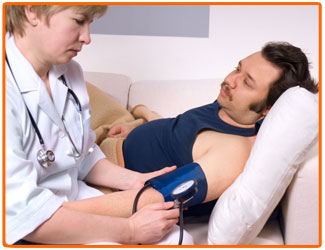
- monitoring of vital signs, such as heart and breathing rates
- access to medication to help ease withdrawal symptoms
- access to emergency medical care, should it become necessary
Detox Centers
Drug and alcohol detox centers are specialized facilities that provide recovering individuals a safe atmosphere to gradually take the drug out of their body and achieve complete detoxification.
There are different pathways that a person can go through:
- Rapid detox: accomplished with daily, round-the-clock monitoring, as a person in a rapid detox program will be sedated and given medication to alter and lessen the more severe effects of withdrawal.
- Tapering: is a useful method for powerful drugs, such as certain prescription opioid medications where the patient is slowly weaned off from the use of a substance. If this stage is not carefully managed, it can increase the chance of relapse.
- Some people choose to quit “cold turkey” on their own without medical help. This can be dangerous, especially for those who have a severe dependence on drugs which causes life-threatening withdrawal symptoms.
- Finally, there are at-home detox kits, which claim to be efficient. However, there is clear evidence to support these claims.
It is always recommended the anyone one trying to get out of the vicious cycle of drug and alcohol addiction, they are better off seeking professional support and help without wasting precious time.