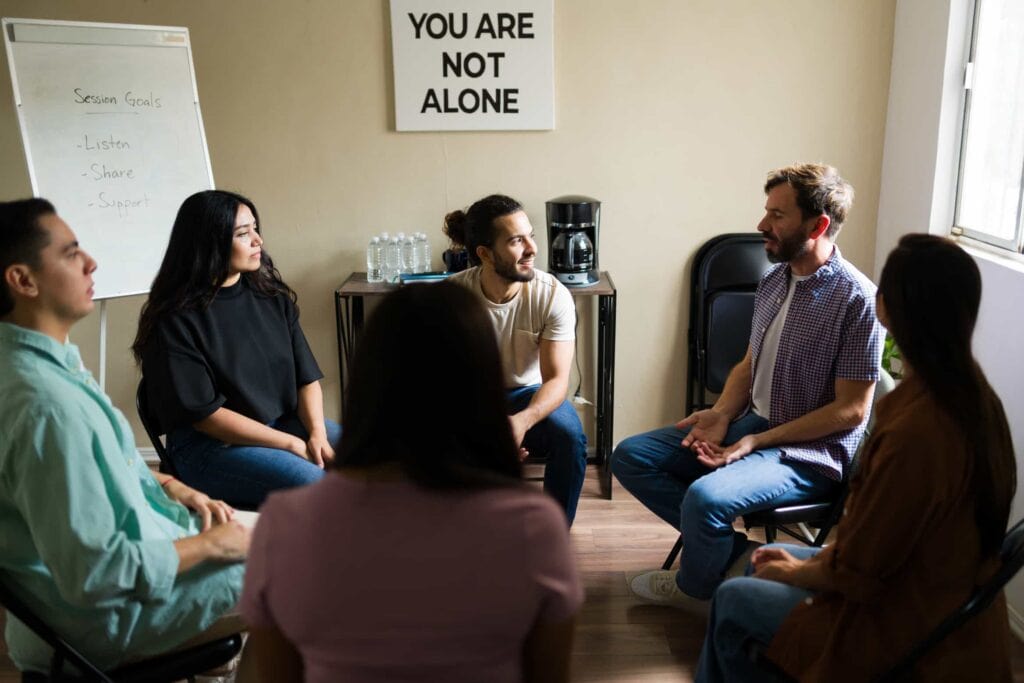
Addiction recovery is not simply about stopping substance use. It is about rebuilding stability, restoring mental health, and learning how to live in a new way. For many individuals, inpatient drug and alcohol treatment provides the structured environment needed to make that transformation possible. Inside inpatient care, individuals receive consistent support, personalized treatment, and access to professional care that addresses both addiction and mental health. This level of structure is often what turns short-term sobriety into lasting recovery.
What Happens Inside Inpatient Treatment
Inpatient treatment, also known as residential rehab, is a live-in program where individuals receive 24 hour care in a safe and supportive environment. This setting allows people to step away from triggers and focus entirely on healing.
A Safe and Controlled Environment
One of the most important aspects of inpatient care is safety. Early recovery can be unpredictable, especially during withdrawal and emotional adjustment. Inpatient programs remove access to substances and reduce exposure to outside pressures, allowing individuals to stabilize physically and emotionally.
A Structured Daily Routine
Structure plays a major role in recovery success. Each day in inpatient treatment is carefully planned to include therapy sessions, group counseling, wellness activities, and educational workshops. This routine helps individuals rebuild healthy habits and regain a sense of control over their lives.
How Structured Care Supports Real Recovery
Lasting recovery requires more than detox or short-term intervention. It requires consistent care that addresses the root causes of addiction and builds long-term coping skills.
Personalized Treatment Plans
Every person enters treatment with a unique story. Inpatient programs create individualized treatment plans based on personal history, substance use patterns, and mental health needs. These plans often include a combination of therapy, counseling, and holistic support designed to promote full recovery.
Integrated Mental Health Treatment
Addiction and mental health are often closely connected. Conditions such as anxiety, depression, trauma, or mood disorders can contribute to substance use and make recovery more difficult without proper care. Inpatient treatment addresses both challenges at the same time through therapy, psychiatric support, and ongoing evaluation.
The Role of Therapy in Inpatient Recovery
Therapy is one of the most important parts of structured addiction care. It helps individuals understand their behaviors, identify triggers, and develop healthier coping strategies.
Individual Counseling for Deep Healing
One on one therapy provides a safe space for individuals to explore personal challenges. With the support of trained professionals, patients work through trauma, emotional pain, and thought patterns that may have contributed to addiction.
Group Therapy and Peer Support
Group sessions allow individuals to connect with others who are facing similar struggles. This shared experience reduces isolation and builds accountability. Many people find that peer support becomes a powerful motivator in their recovery journey.
Family Involvement in Recovery
Addiction often affects the entire family system. Many inpatient programs include family therapy sessions to rebuild trust, improve communication, and strengthen relationships. A supportive home environment can significantly improve long-term recovery outcomes.
Holistic and Faith Based Healing Options
Recovery involves more than clinical treatment. It also includes emotional balance, physical health, and personal meaning.
Holistic Wellness Practices
Inpatient programs often include holistic approaches such as mindfulness, meditation, fitness activities, and nutritional support. These practices help reduce stress, improve emotional regulation, and support overall well-being.
Faith Based Support for Spiritual Growth
For individuals who seek spiritual guidance, faith based care can provide comfort and direction. This support helps many people find purpose, strength, and hope during difficult stages of recovery.
Building Skills for Life After Treatment
A strong inpatient program prepares individuals for life beyond the treatment facility. Recovery does not end at discharge. It continues in daily life.
Relapse Prevention Strategies
Patients learn practical tools to manage cravings, handle stress, and avoid high risk situations. These skills are essential for maintaining sobriety after leaving inpatient care.
Continued Care and Support
Before discharge, individuals typically receive an aftercare plan. This may include outpatient treatment, counseling, or participation in support groups. Ongoing care helps maintain progress and provides stability during the transition back into everyday life.
Taking the First Step Toward Lasting Recovery
Inside inpatient treatment, individuals find more than structure. They find support, understanding, and a clear path forward. Through personalized care, mental health treatment, and holistic support, inpatient programs help people rebuild their lives from the ground up.
If you or someone you love is struggling with addiction, reaching out for help can be the most important step you take. Recovery is possible, and structured inpatient care can provide the foundation needed for real and lasting change.